


India Achieves 2030 Clean Energy Target Nine Years Ahead of Schedule
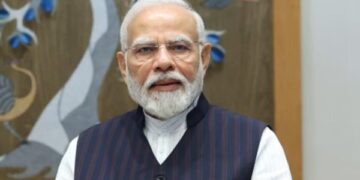
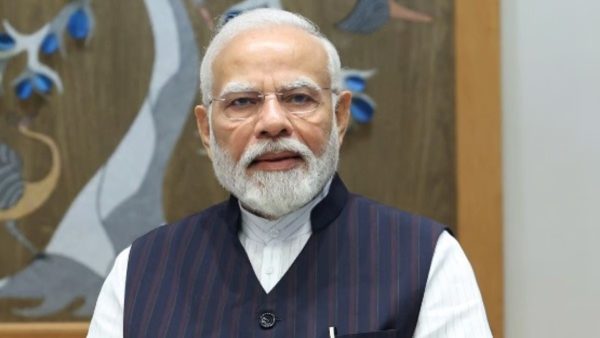
NEW DELHI — Guided by the principles of ‘Seva and Sushasan’ (Public Service and Good Governance), the Indian government under Prime Minister Narendra Modi has been working to transform the country into a global leader in climate action, according to a special report titled ‘Seva Parv’.
The report highlights that in the last 11 years, India has rapidly transitioned from being perceived as a developing nation with rising energy needs to a global climate champion. From conserving forests to championing climate justice and promoting green mobility, the country is demonstrating that economic growth and environmental sustainability can go hand-in-hand.
A key achievement cited in the report is India’s fulfillment of its commitment made at the COP21 in Paris to achieve 40% installed clean energy capacity by 2030. The country reached this target in 2021, a full nine years ahead of schedule. During a visit to the United States in September last year, Prime Minister Modi noted that while India accounts for 17% of the world’s population, its carbon emissions are less than four percent.
The country has also launched the global LiFE (Lifestyle for Environment) movement, which advocates for the adoption of simple, sustainable choices in daily life. At the recent COP29 in Baku, India showcased its breakthroughs in green hydrogen, industrial decarbonization, and women-led climate action, solidifying its role in shaping the global climate dialogue.
